Is Your Back Pain From Sitting Too Much?
Lower back pain related to prolonged sitting has become one of the most common musculoskeletal issues we treat in physiotherapy clinics today. With more people working desk jobs, driving long distances, or spending leisure time on screens, the spine is exposed to extended periods of static load that it was never designed to tolerate for hours at a time.
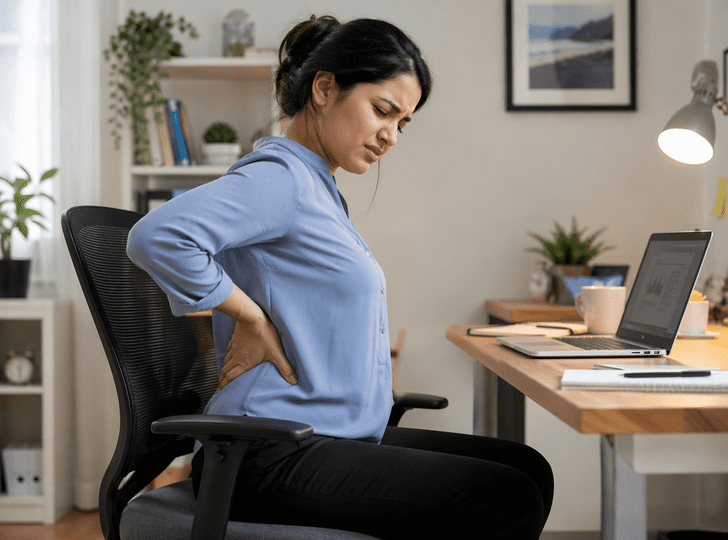
How Prolonged Sitting Affects the Lower Back
The lumbar spine relies on regular movement to maintain disc hydration, joint nutrition, and muscle balance. When sitting becomes prolonged or habitual, several negative changes occur:
Increased disc pressure
ConteSitting places more compressive force on lumbar discs than standing, particularly when slouchednt
Reduced core and glute activation
Key stabilizing muscles become inhibited, forcing passive tissues to absorb load
Hip flexor shortening
Tight hip flexors increase anterior pelvic tilt, placing strain on the lumbar joints
Postural creep
Ligaments and connective tissues gradually lengthen, reducing spinal stability
Over time, this leads to stiffness, micro‑irritation, and recurring pain episodes rather than a single traumatic injury.
Is Sitting the Main Cause of Your Pain?
Sitting is rarely the sole cause. More often, it exposes weaknesses such as:
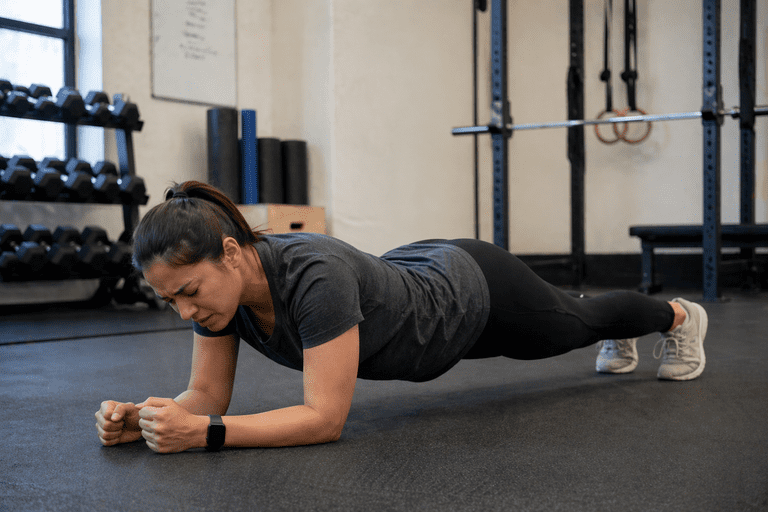
Poor trunk endurance
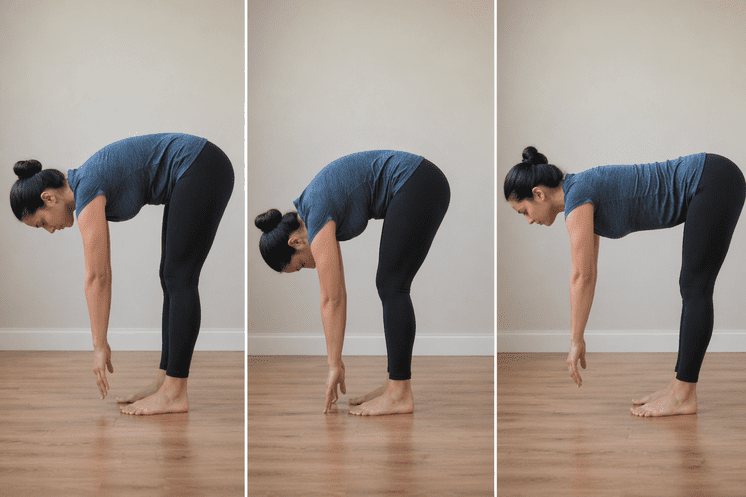
Limited spinal or hip mobility
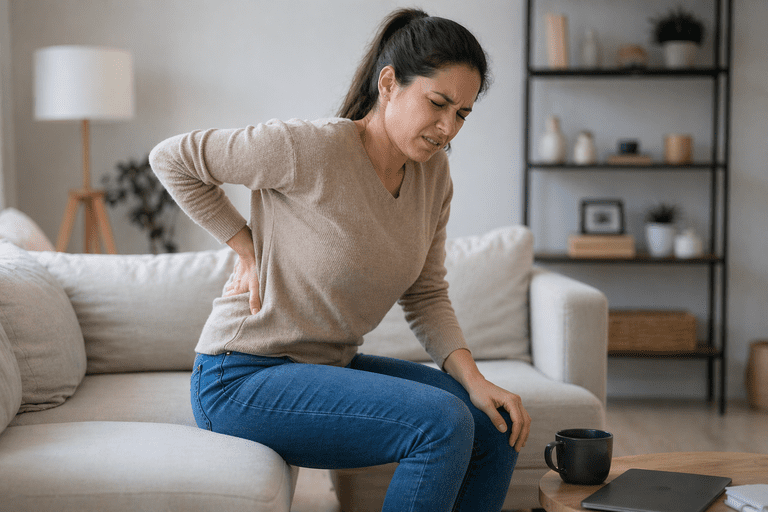
Previous disc or joint sensitivity

Poor movement habits outside the chair
This explains why two people can sit the same number of hours and only one develops pain.
Common Symptoms of Sitting‑Related Back Pain
You may notice:
- A dull ache across the lower back after 30–60 minutes
- Pain or stiffness when standing up
- Symptoms that improve with walking or light activity
- Worsening discomfort toward the end of the day
These patterns strongly suggest a mechanical loading issue, not structural damage.
How PhysiotheHow Physiotherapy Treats Sitting‑Related Back Pain
At Hope 2 Health, physiotherapy focuses on improving how your back tolerates load, rather than simply avoiding sitting.
Treatment may include:
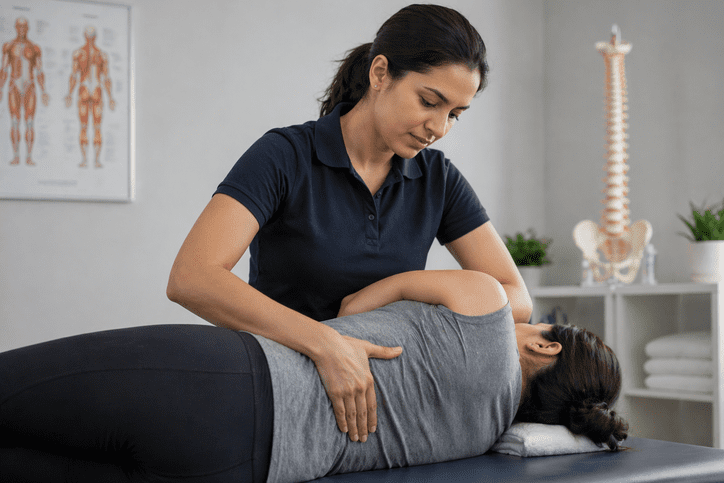
Manual therapy to restore spinal and hip mobility
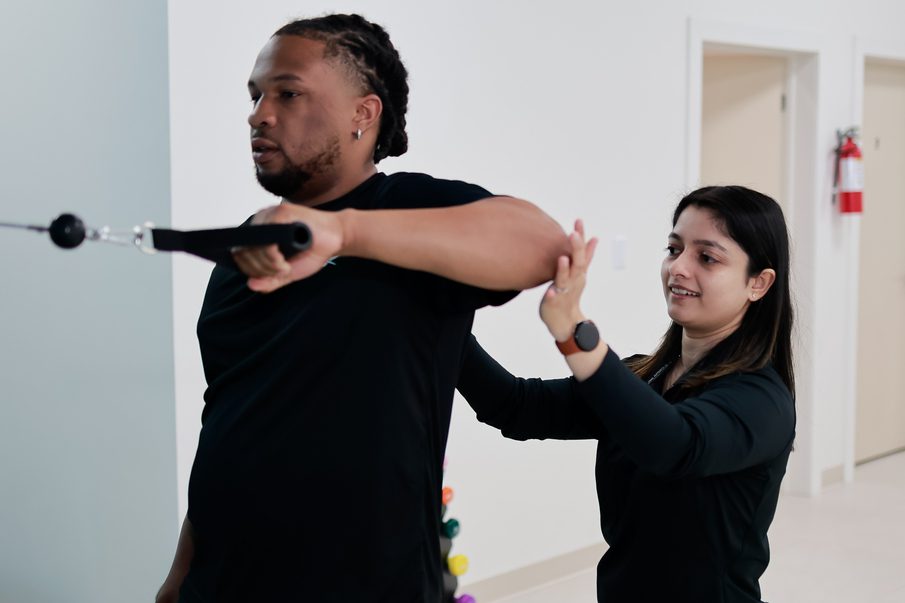
Postural endurance training, not just posture correction
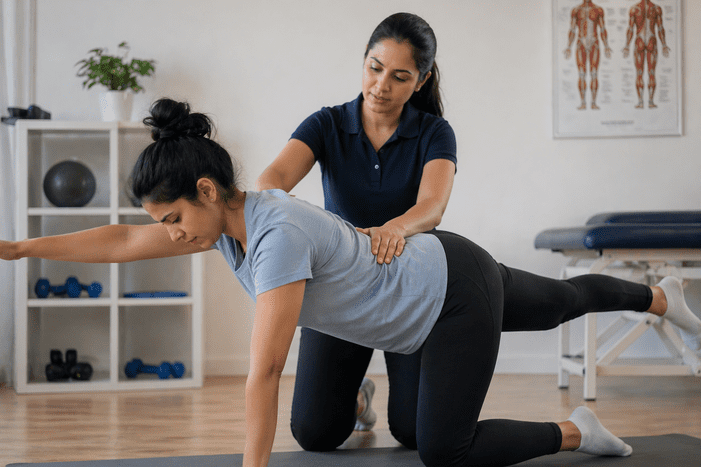
Core stabilization exercises tailored to your pain presentation
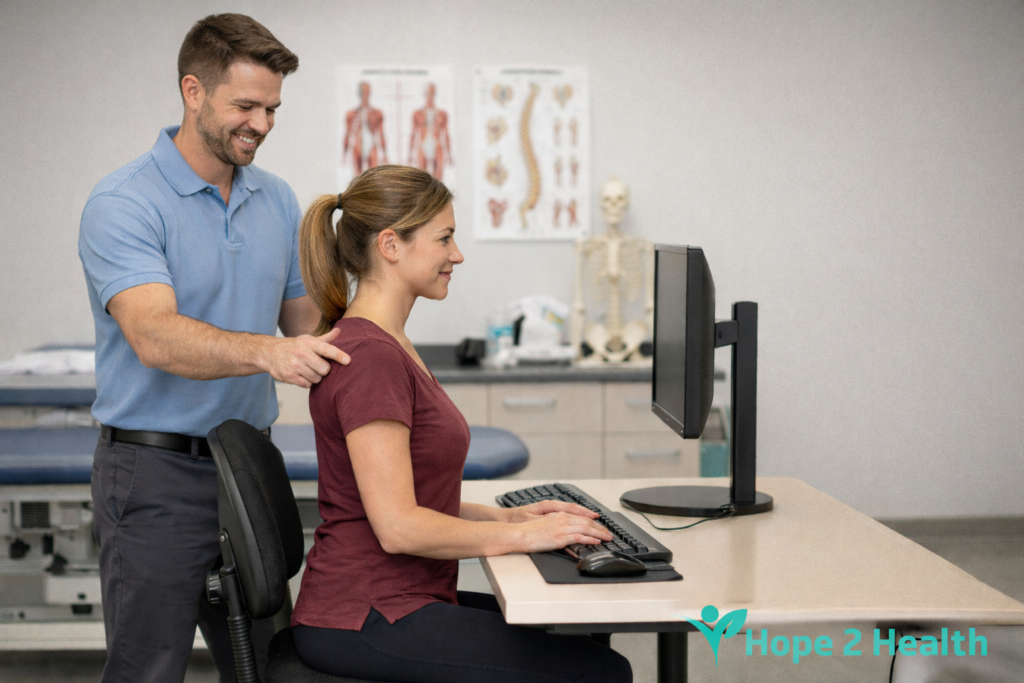
Movement strategies and micro‑break planning for workdays
Meet Our Experienced Physiotherapists

Bhoomika Pathak
Registered Physiotherapist/ Clinical directorBhoomika delivers expert pelvic health, acupuncture, concussion, pediatric, and musculoskeletal care with personalized rehabilitation plans.

Umma Salma
Resident PhysiotherapistSalma specializes in musculoskeletal, neurological, pediatric, and rehabilitative settings.

Akshita Baidhwan
Resident PhysiotherapistAkshita specializes in musculoskeletal, acupuncture,neurological, concussion, and rehabilitative settings.

Krupita Mehta
Resident PhysiotherapistKrupita specializes in musculoskeletal, neurological, concussion, and rehabilitative settings.
Have a Question? We’re Here to Help!
At Hope 2 Health Physiotherapy, your recovery and comfort are our top priorities. Whether you’re looking to book an appointment, learn more about our services, or simply have a question, we’d love to hear from you.
Please fill out the form and a member of our team will get back to you within 1 business day.
Frequently Asked Questions (FAQs)
Visit Our Clinic
Your recovery begins here…