
Causes of Lower Back Pain

Lower back pain is one of the most common musculoskeletal conditions, affecting nearly 80% of adults at some point in their lives. It can range from a mild discomfort that resolves quickly to persistent pain that interferes with work, sleep, and daily activities.
As physiotherapists, we frequently see patients who struggle with lower back pain caused by a variety of factors including muscle strain, poor posture, spinal disc injuries, arthritis, and nerve irritation. Understanding the underlying cause is essential because the most effective treatment depends on identifying the source of the problem rather than just treating the symptoms.
In this guide, we will explain the most common causes of lower back pain, how these conditions develop, and when physiotherapy treatment may be beneficia
Understanding the Lower Back (Lumbar Spine)
The lower back, also called the lumbar spine, is a complex structure made up of:
- Five lumbar vertebrae
- Intervertebral discs that act as shock absorbers
- Ligaments that stabilize the spine
- Muscles that support movement and posture
- Nerves that travel from the spinal cord to the legs
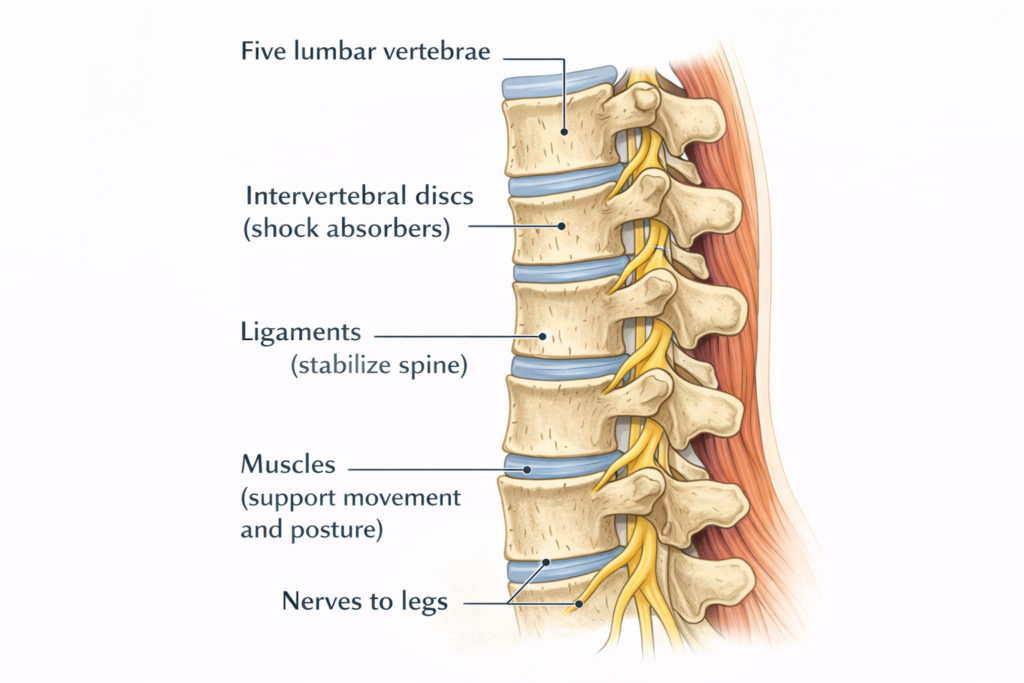
Because the lower back supports most of the body’s weight and movement, it is particularly vulnerable to strain, injury, and degeneration.
Common Causes of Lower Back Pain
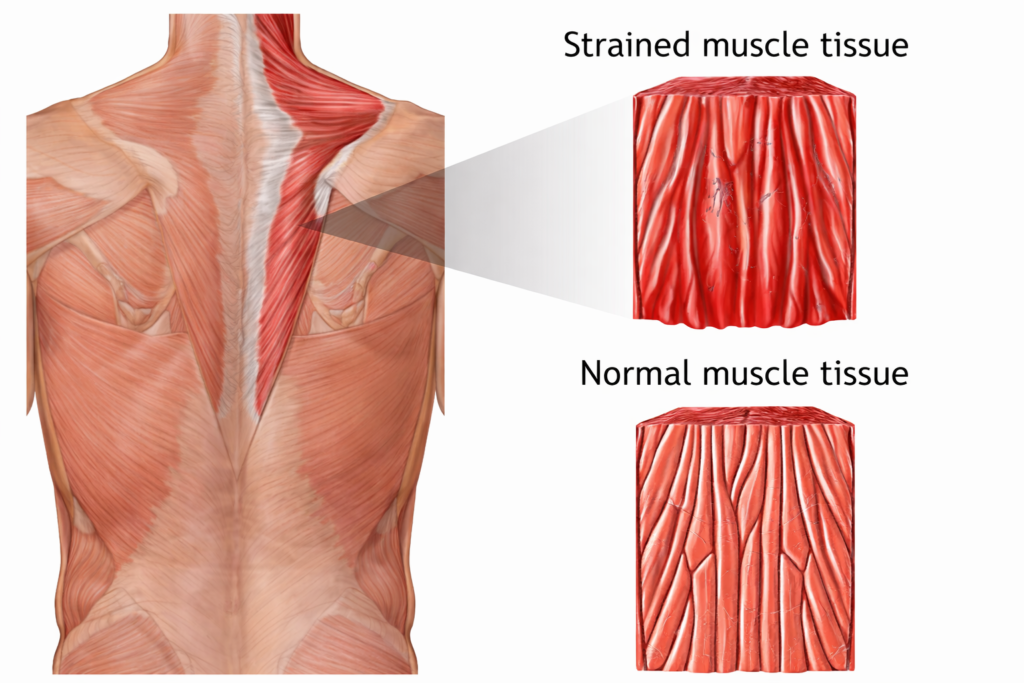
Muscle or Ligament Strain
One of the most common causes of lower back pain is a strain or sprain affecting the muscles or ligaments that support the spine.
Muscle strain typically occurs when the tissues are overstretched or overloaded, leading to small tears and inflammation.
Common causes of muscle strain include:
- Lifting heavy objects incorrectly
- Sudden twisting movements
- Sports injuries
- Poor lifting mechanics
- Weak core muscles
- Repetitive bending or physical work
Symptoms may include:
- Localized lower back pain
- Muscle tightness or spasms
- Pain with movement
- Difficulty bending or standing upright
Most muscle strains improve with physiotherapy, guided exercises, and proper movement education.
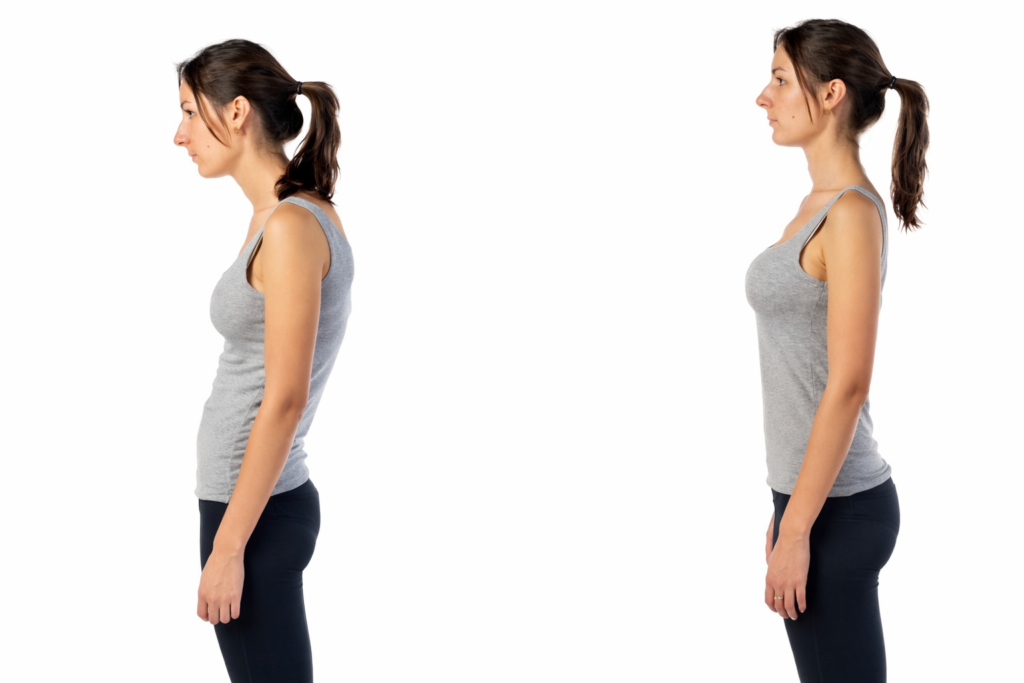
Poor Posture and Prolonged Sitting
Modern lifestyles often involve extended periods of sitting, whether working at a desk, driving, or using digital devices.
Poor posture can place excessive stress on the lower back, especially when sitting with:
- Rounded shoulders
- Forward head posture
- Slouched lower back
Over time, this can lead to muscle imbalances and increased pressure on spinal discs.
Long-term effects of poor posture may include:
- Chronic lower back pain
- Muscle fatigue
- Reduced spinal mobility
- Increased risk of disc injuries
Physiotherapy often focuses on postural correction, ergonomic advice, and strengthening exercises to address this cause of pain.
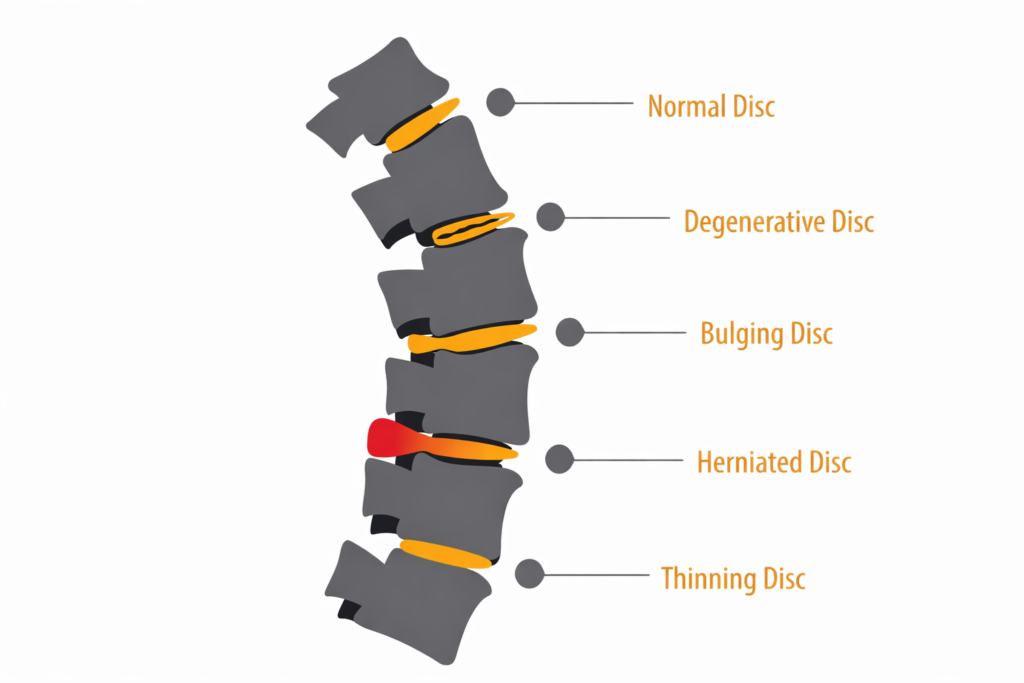
Herniated or Bulging Disc
Between each vertebra in the spine is a spinal disc, which acts as a cushion that absorbs shock and allows flexibility.
A herniated disc occurs when the soft inner material of the disc pushes through the outer layer and may press on nearby nerves.
Common symptoms include:
- Lower back pain
- Pain radiating into the leg (sciatica)
- Tingling or numbness
- Weakness in the leg or foot
- Increased pain with sitting or bending
Disc injuries are commonly associated with:
- Repetitive bending and lifting
- Sudden heavy lifting
- Degeneration due to aging
Physiotherapy can help by reducing pressure on the disc, improving movement patterns, and strengthening spinal support muscles.
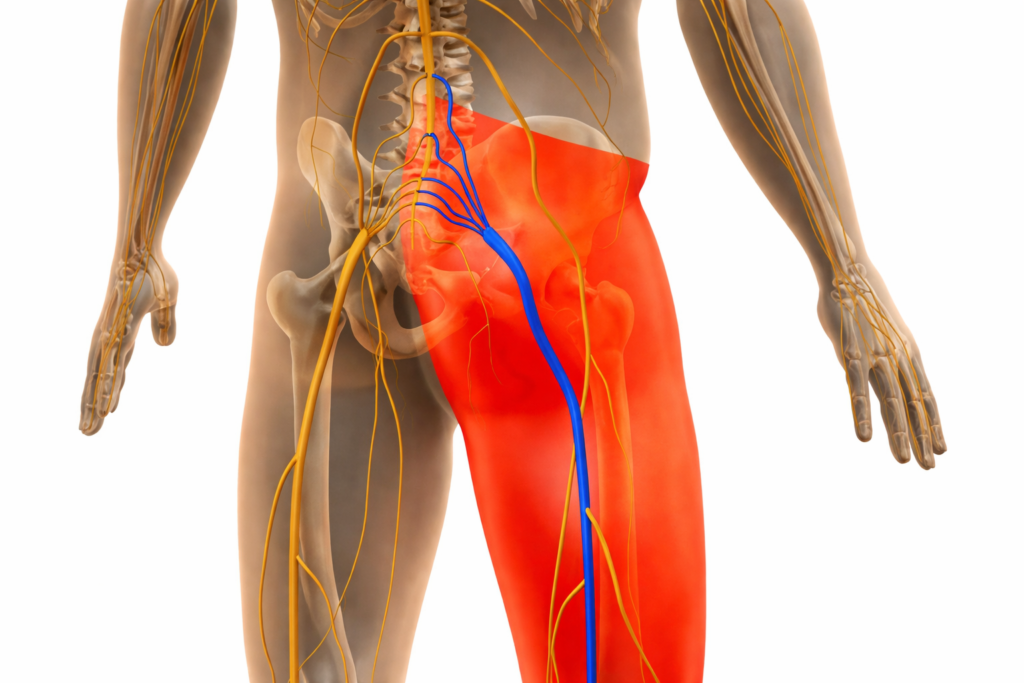
Sciatica (Nerve Compression)
Sciatica occurs when the sciatic nerve, the largest nerve in the body, becomes irritated or compressed.
This condition often results from:
- Herniated discs
- Spinal stenosis
- Bone spurs
- Piriformis muscle tightness
Typical symptoms include:
- Sharp or burning pain from the lower back down the leg
- Numbness or tingling in the leg
- Pain that worsens when sitting
- Weakness in the leg
Sciatic pain can be quite severe but often responds well to physiotherapy treatment focused on nerve mobility, posture correction, and targeted strengthening exercises.
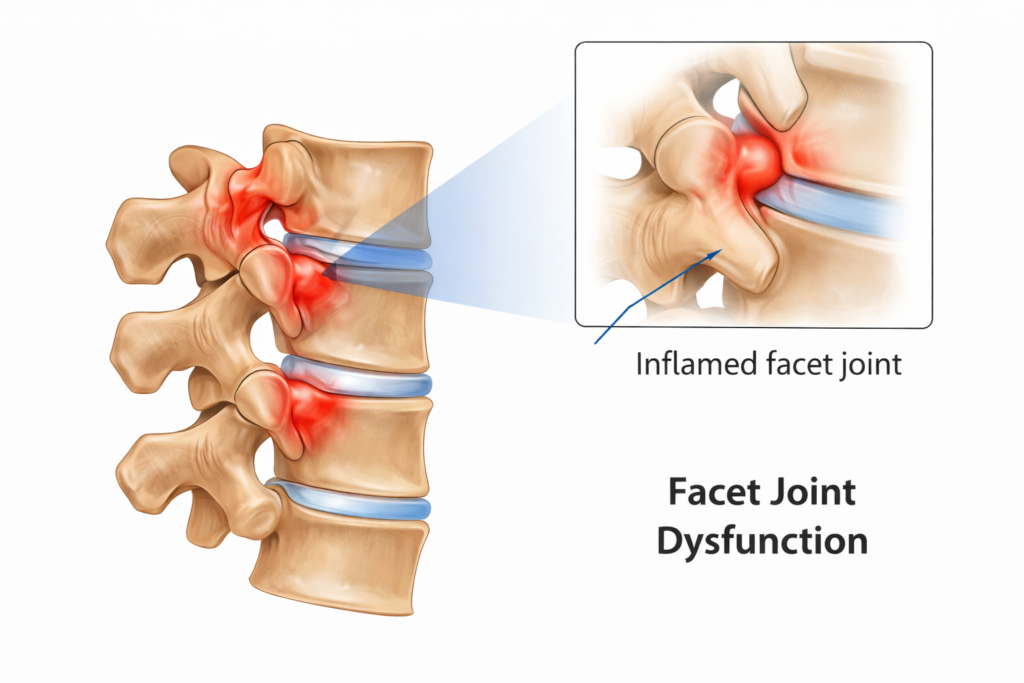
Facet Joint Dysfunction
Facet joints are small joints located between each vertebra that help control spinal movement.
These joints can become inflamed or irritated, especially after:
- Sudden twisting movements
- Repetitive spinal extension
- Degenerative arthritis
Symptoms often include:
- Localized lower back pain
- Pain with bending backward
- Stiffness in the spine
- Pain that worsens after prolonged standing
Manual therapy and targeted exercises are commonly used in physiotherapy to restore normal joint movement and reduce inflammation.
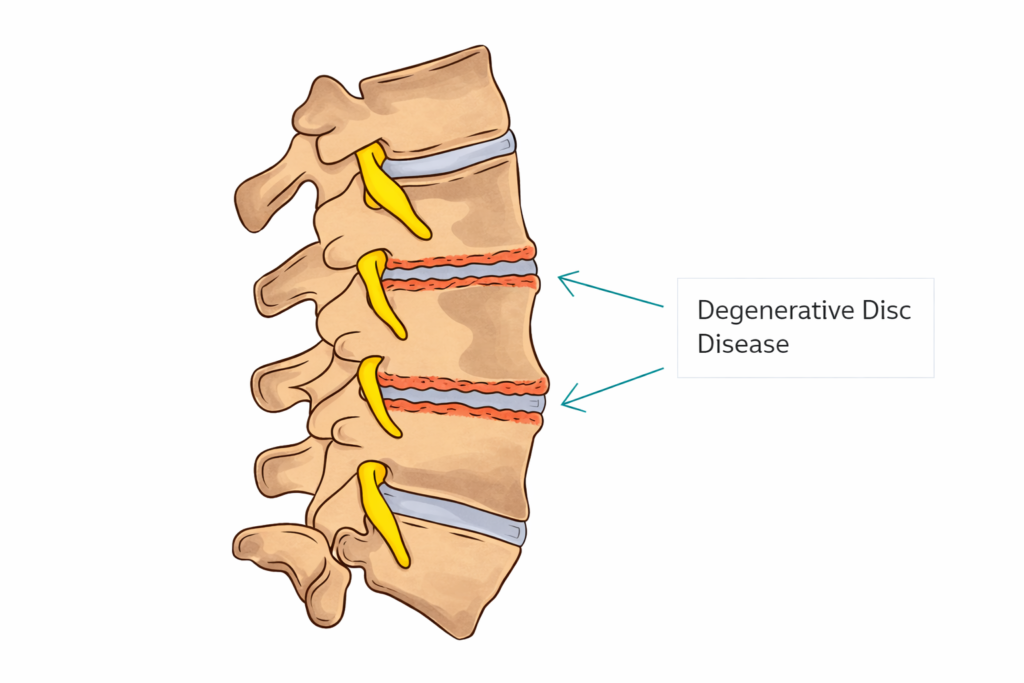
Degenerative Disc Disease
As we age, the spinal discs naturally begin to lose water content and elasticity. This process is called degenerative disc disease.
While this change is a normal part of aging, it can sometimes cause:
- Chronic lower back pain
- Stiffness in the spine
- Reduced flexibility
- Pain with prolonged sitting
Physiotherapy plays an important role in managing degenerative changes by improving spinal stability and mobility.
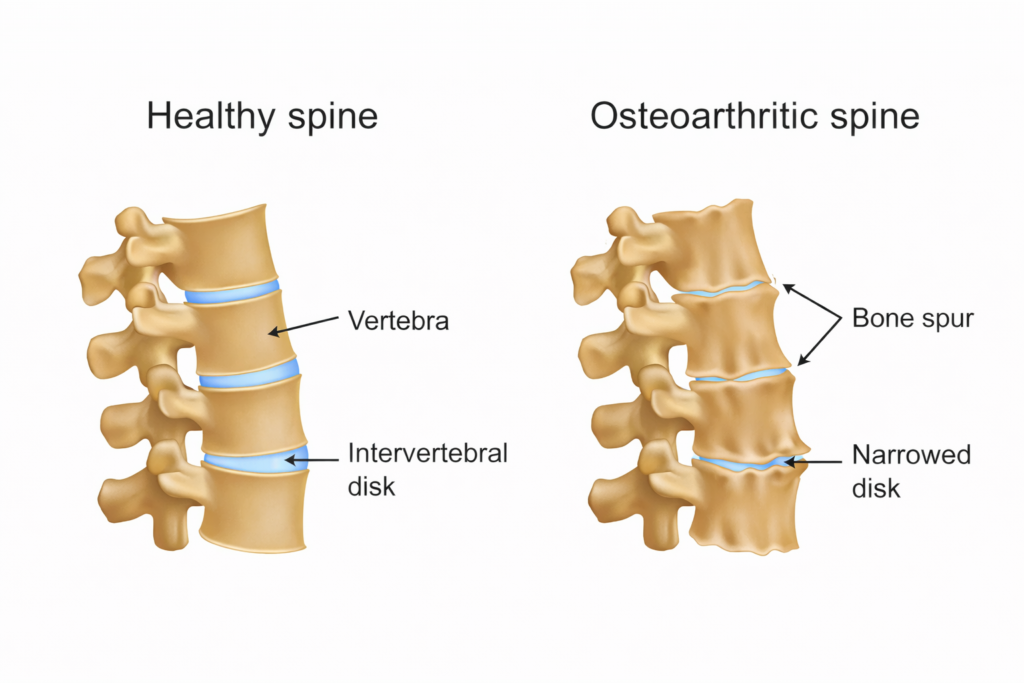
Arthritis of the Spine
Osteoarthritis can affect the joints of the spine, leading to gradual wear and tear of cartilage.
This may cause:
- Stiffness in the lower back
- Reduced mobility
- Chronic pain
- Inflammation around the joints
Arthritis-related back pain often improves with regular movement, strengthening exercises, and physiotherapy-guided rehabilitation.
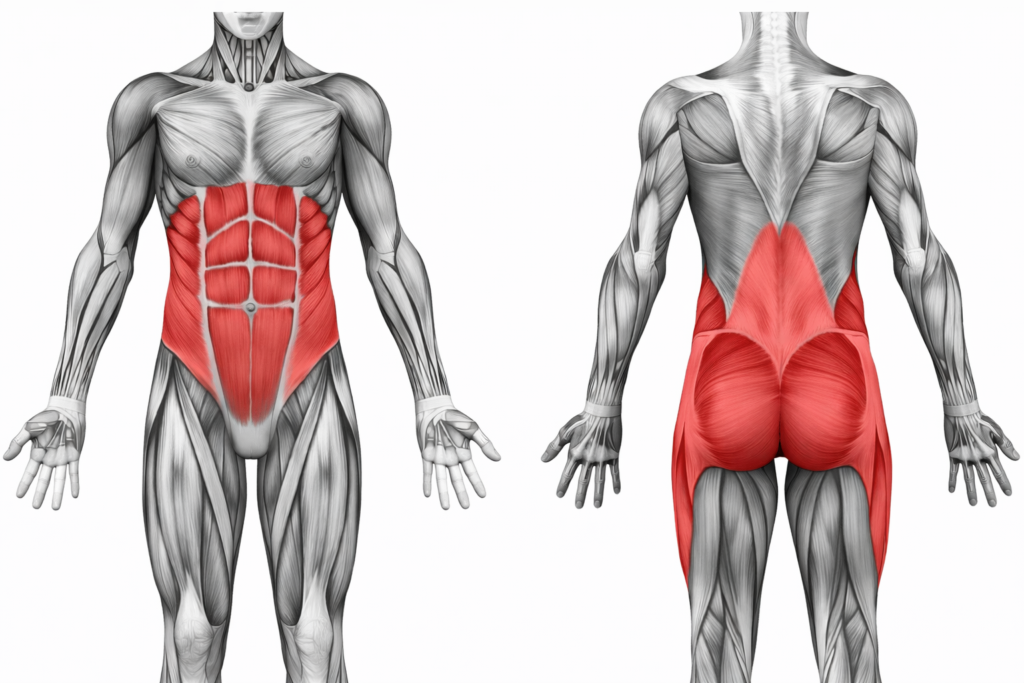
Weak Core Muscles
The core muscles, including the abdominal and deep spinal muscles, play an essential role in supporting the spine.
Weak core muscles can increase the load placed on the lumbar spine, contributing to:
- Recurrent back pain
- Poor posture
- Reduced spinal stability
Physiotherapy programs often emphasize core strengthening exercises to provide better support for the lower back.
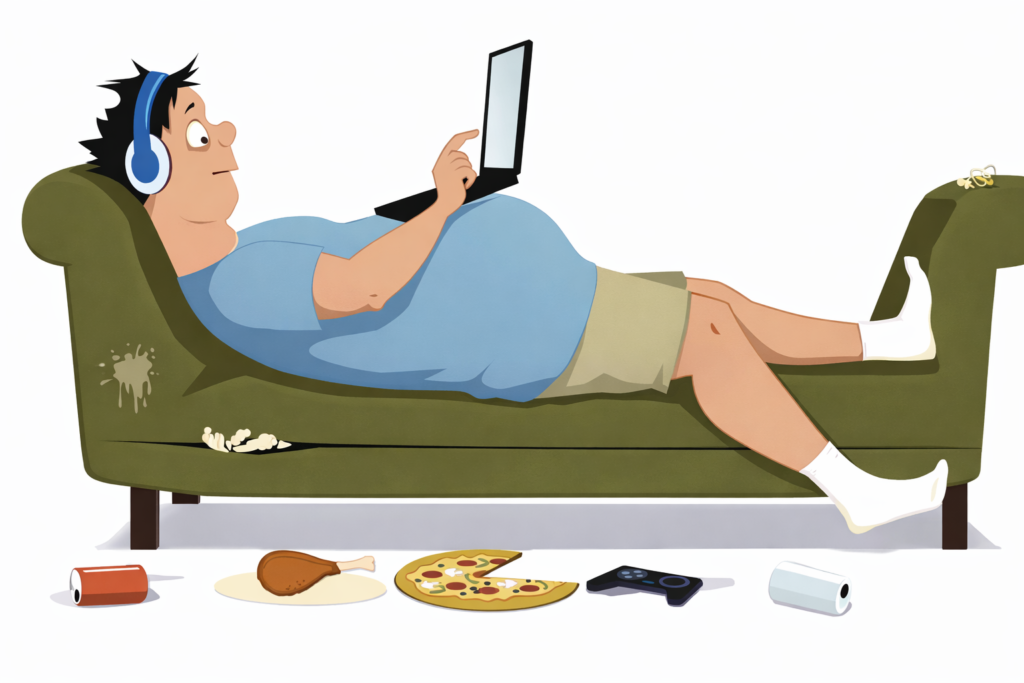
Sedentary Lifestyle
A lack of regular physical activity can lead to:
- Reduced muscle strength
- Decreased spinal mobility
- Increased stiffness
People who are inactive are more likely to develop chronic back pain.
Incorporating regular movement and exercise can significantly reduce the risk of developing lower back pain.