
Pelvic Organ Prolapse Physiotherapy: Prevent Surgery
Pelvic organ prolapse physiotherapy is one of the most effective ways to manage and prevent worsening prolapse. Despite, many women discover their prolapse late. However, early physiotherapy can reduce symptoms and often prevent surgery.
What Is Pelvic Organ Prolapse?
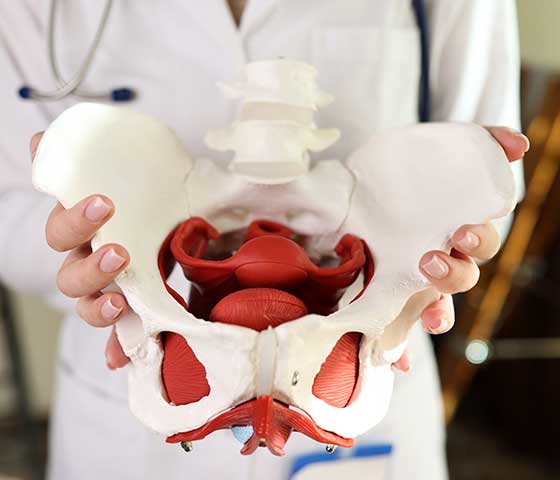
Pelvic organ prolapse happens when the bladder, uterus, or rectum drops into the vaginal space. This occurs due to weak or stretched pelvic floor muscles.
Common Causes
- Pregnancy and vaginal childbirth
- Menopause and low estrogen levels
- Chronic constipation or coughing
- Heavy lifting over time
- Genetics and natural aging
Why Women Miss the Early Signs
Early Pelvic organ prolapse signs are often subtle. Although, women may notice:
- A heavy or dragging feeling in the pelvis
- Urinary leakage when sneezing or exercising
- A bulge or pressure sensation
- Lastly, difficulty emptying the bladder or bowel
Because, these symptoms are mild, many women dismiss them. Unfortunately, waiting often means the condition progresses to a stage that requires surgery.
The Role of Pelvic Floor Physiotherapy
Pelvic organ prolapse physiotherapy focuses on strengthening and protecting the pelvic floor. A physiotherapist assesses muscle tone, strength, and coordination before creating a personalized plan.
Treatment May Include:
- Firstly, Pelvic floor muscle training (PFMT): Learning correct activation and relaxation
- Second, Breathing techniques: Reducing pressure on the pelvic organs
- Third, Lifestyle guidance: Advice on lifting, exercise, and posture
- Lastly, Education: Understanding how small daily changes prevent worsening prolapse
How Physiotherapy Helps Prevent Surgery
Studies show that physiotherapy can slow or even stop prolapse progression. However, if women begin treatment early, they often avoid surgery. Even in later stages, therapy improves recovery after surgery and lowers the risk of recurrence.
Benefits include:
- Improved bladder and bowel control
- Reduced pelvic heaviness and pain
- Better core strength and confidence
- Safer return to exercise and daily life
When to See a Physiotherapist
If you notice pelvic heaviness, leakage, or a bulge, do not wait. A physiotherapist can confirm if these are early prolapse signs and begin treatment right away.
Take away
Pelvic organ prolapse physiotherapy empowers women with non-surgical solutions for a common but often overlooked condition. With early treatment, women can manage symptoms, protect their health, and often prevent surgery.
At Hope 2 Health Physiotherapy Clinic, we specialize in women’s health and pelvic floor care. Our goal is to help you restore balance, strength, and confidence. Book your appointment now!